500-1
500-2
500-3

Industry News

Look forward to sincere cooperation with every customer!

How to Source Corrugated Plastic Sheets Globally?

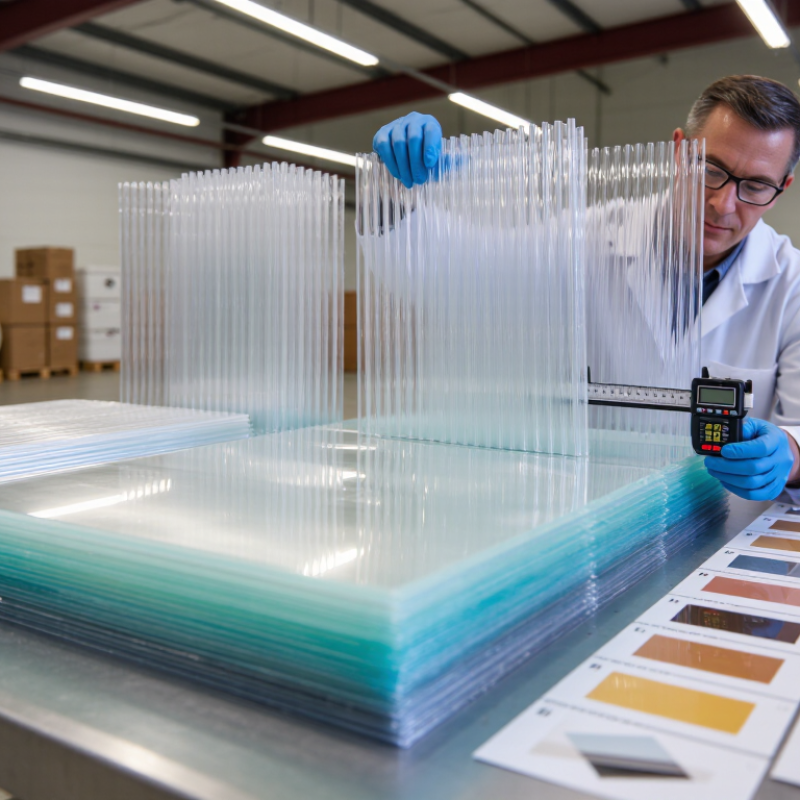
Sourcing Corrugated Plastic sheets globally requires more than comparing quotations. Buyers must evaluate resin grade, sheet thickness, flute structure, surface treatment, and supplier consistency. Corrugated Plastic usually refers to twin-wall polypropylene sheets, valued for their low weight, moisture resistance, and easy fabrication. These properties support applications in packaging, construction protection, agriculture, retail displays, and reusable logistics systems.

Industry reports provide useful direction. Grand View Research identifies polypropylene demand as strongly connected to packaging, construction, and automotive applications. These sectors often require materials that combine durability with lower transport weight. The OECD’s Global Plastics Outlook reports that global plastic waste has grown sharply since 2000, while only a limited share is recycled. That finding makes recycled content, take-back systems, and end-of-life planning important sourcing questions, not optional marketing claims.

Ask for samples.

A reliable global sourcing process should verify technical data through certificates, inspection records, and production audits. Check GSM tolerance, thickness tolerance, impact strength, UV stability, color consistency, and printing performance. Request test methods, not only attractive specification sheets. Compare landed cost, including tooling, packaging, freight, duties, insurance, and possible rework. Supplier location also affects lead time and supply risk.

Some reports combine different plastic-sheet categories, so their market figures may not describe Corrugated Plastic precisely. This limitation deserves attention. Local climate, recycling infrastructure, and customer requirements can change the best supplier choice. Experienced buyers therefore test sheets in real conditions, such as outdoor sunlight, stacked cartons, humid warehouses, and repeated folding. The cheapest offer may fail there. A dependable sourcing decision balances measurable performance, documented compliance, practical experience, and long-term supplier transparency.

How to Source Corrugated Plastic Sheets Globally?

Defining Corrugated Plastic Sheet Requirements and Applications

Global sourcing begins with a defined application, not a supplier list. Corrugated plastic sheets may serve as packaging dividers, temporary signs, floor protection, or reusable containers. Each use changes the specification. Record sheet length, width, thickness, flute direction, color, surface finish, and expected service life. Ask whether the material will face rain, sunlight, abrasion, oils, or repeated folding. Small details matter.

For outdoor applications, request weather-resistance information and relevant test data. For printing, confirm surface treatment, ink compatibility, and color consistency. If sheets contact food or sensitive products, request suitable material declarations for the destination market. Requirements differ between countries. Do not rely on appearance alone. A bright, rigid sample can still warp during transport or crack near punched holes. I have learned this through early specifications that were too broad. They looked efficient, but they created avoidable disputes.

When comparing global suppliers, send one standardized requirement sheet. Request dimensional tolerances, weight per square meter, sample approval procedures, packing details, pallet dimensions, and production lead time. Clarify whether quoted thickness refers to the complete sheet or only its core. Ask for photos of edge protection and loading methods. A sample may perform well in a warehouse, yet fail after weeks of vibration and humidity. Test the actual design, including folds, slots, printing, and stacking pressure. Leave room for revision. Specifications are useful, but real handling often reveals what the spreadsheet missed.

How to Source Corrugated Plastic Sheets Globally? - Defining Corrugated Plastic Sheet Requirements and Applications

Requirement Category Specification Dimension Typical Data or Recommended Range Suitable Applications Global Sourcing Verification Point
Material Base polymer Polypropylene (PP) is the most common material; polyethylene (PE) may be selected for specific flexibility or impact requirements. Packaging, signage, partitions, agricultural protection, reusable containers Request the resin type, recycled-content percentage, technical data sheet, and safety documentation.
Material grade General-purpose grade for indoor use; UV-stabilized grade for prolonged outdoor exposure; flame-retardant grade where required by regulation. Indoor displays, outdoor signs, construction protection, electrical and industrial packaging Confirm that additives are incorporated during extrusion and obtain test evidence for UV or flame performance.
Surface finish Natural matte, glossy, corona-treated, printable, antistatic, or low-friction surface. Digital printing, screen printing, die cutting, folding, slip-sheeting Specify print method, ink system, surface energy requirement, and whether a printed sample is needed.
Color White, black, grey, translucent, or custom color; color consistency should be controlled by an agreed reference sample. Retail displays, visual signage, protective packaging, warehouse separators Define color tolerance, surface appearance, and approval sample before mass production.
Physical Structure Sheet thickness Common commercial range: approximately 2–12 mm; lightweight packaging often uses 2–5 mm, while partitions and reusable containers may require 5–10 mm. Packaging inserts, signage, floor protection, partitions, box fabrication Measure thickness at several points and define the permitted tolerance in the purchase specification.
Flute or rib direction The hollow channels normally run in one direction; bending stiffness is higher across the ribs than along them. Folded boxes, dividers, signboards, protective panels State flute direction on drawings and samples, especially for die-cut or folded parts.
Basis weight Often approximately 250–1,500 g/m² depending on thickness, density, rib geometry, and polymer formulation. Weight-sensitive packaging, industrial separators, reusable transport sheets Specify target mass per unit area with an allowable tolerance; do not use thickness alone to compare suppliers.
Sheet dimensions Standard and custom sizes are available; large sheets may be supplied as rolls or cut panels depending on thickness and equipment. Large-format signs, pallet liners, wall protection, packaging blanks Provide length, width, squareness, cutting tolerance, maximum usable size, and roll direction where applicable.
Dimensional tolerance Tolerance depends on thickness, sheet size, extrusion process, and cutting method; a written tolerance must be agreed before production. Precision die-cut parts, container components, automated packing lines Review inspection records for length, width, thickness, flatness, and cut-edge quality.
Performance Impact and puncture resistance Higher thickness, suitable rib geometry, and appropriate polymer grade generally improve resistance to impact and puncture. Returnable packaging, edge protectors, construction barriers, equipment covers Define the test method, impact energy, puncture load, temperature, and minimum acceptance value.
Stiffness and load support Stiffness depends on thickness, rib profile, rib direction, temperature, span, and support conditions. Shelving dividers, pallet layers, temporary flooring, structural packaging inserts Supply a load case or drawing; evaluate compression, deflection, and creep rather than relying only on nominal thickness.
Temperature range PP remains serviceable across a broad temperature range, but stiffness and impact behavior change with temperature; exact limits depend on grade and design. Cold-chain packaging, warehouse use, outdoor transport, industrial handling Request performance data at the minimum and maximum temperatures expected during storage and transport.
Moisture and chemical resistance Polypropylene is generally resistant to water and many common chemicals, but compatibility varies with concentration, temperature, and exposure time. Food and produce logistics, chemical handling, wash-down areas, reusable bins Test the actual cleaning agents, oils, solvents, and exposure duration required for the application.
Application Matching Retail and outdoor signage Typically 3–5 mm sheet, printable surface, suitable color, optional UV stabilization, and clean cut edges. Posters, directional signs, real-estate boards, event displays Check print adhesion, color uniformity, flatness, outdoor aging data, and mounting-hole quality.
Reusable transport packaging Typically 4–10 mm sheet, high impact resistance, foldable design, washable surface, and reinforced edges where needed. Layer pads, separators, sleeves, bins, pallet liners Confirm the number of reuse cycles, stacking load, cleaning process, and repair or recycling plan.
Agricultural and construction protection Usually requires thicker or reinforced sheets, weather resistance, easy cleaning, and resistance to occasional impact. Temporary barriers, floor protection, concrete protection, crop and greenhouse panels Specify outdoor exposure time, wind or contact loads, fastening method, and required service life.
Die-cut and fabricated parts Requires controlled thickness, accurate dimensions, defined crease lines, hole patterns, welding or joining method, and burr limits. Custom boxes, dividers, corner protectors, instrument and component packaging Send CAD drawings, a physical prototype, crease direction, assembly instructions, and inspection criteria.
Quality and Compliance Dimensional and visual inspection Check thickness, length, width, flatness, color, surface defects, rib continuity, edge condition, and contamination. All applications Use an agreed inspection plan with sampling level, measuring equipment, defect limits, and corrective-action procedure.
Mechanical testing Possible tests include tensile strength, flexural behavior, compression, impact, puncture, and tear resistance. Load-bearing packaging, protective panels, fabricated components Specify internationally recognized test methods and require batch-level or periodic laboratory reports.
Regulatory requirements Requirements may cover food contact, chemical content, flammability, recycling marks, labeling, and destination-country packaging rules. Food packaging, healthcare logistics, electrical packaging, public-space signage Identify the destination market and end use before ordering; request declarations and test reports applicable to that market.
Recyclability and recycled content PP sheets are generally recyclable where suitable collection and processing systems exist; recycled content can affect color and performance consistency. Sustainable packaging, retail displays, industrial reuse programs Request recycled-content evidence, material identification, and end-of-life handling guidance.
International Sourcing Sample approval Approve a sample that represents the final polymer grade, thickness, color, surface finish, rib direction, and cutting method. All applications, especially custom fabricated parts Record sample identification, revision, date, test results, and permitted substitutions in the purchase contract.
Packaging and container loading Protect sheets from bending, moisture, dirt, compression, and edge damage; use flat stacking or controlled rolls as appropriate. Ocean freight, air freight, cross-border trucking, warehouse storage Approve packing drawings and confirm package dimensions, gross weight, palletization, and container utilization.
Trade and logistics terms Compare total landed cost: product price, tooling, inland transport, freight, insurance, duties, taxes, inspection, and handling charges. Any cross-border procurement program Define delivery terms, port or destination, lead time, documentation, currency, payment milestones, and responsibility for damage.
Supply continuity Evaluate production capacity, raw-material availability, quality consistency, backup arrangements, and ability to repeat approved specifications. Long-term packaging, signage, and industrial supply programs Use a written specification, change-notification process, retained samples, periodic audits, and a contingency sourcing plan.
Note: The ranges shown are typical planning references for corrugated plastic sheets. Final values should be confirmed through application testing, approved samples, applicable regulations, and a written supplier specification.

Finding and Comparing Qualified Global Suppliers

Sourcing corrugated plastic sheets globally requires more than collecting quotations. PlasticsEurope reported 400.3 million tonnes of global plastics production in 2022. That scale creates wide differences in resin quality, sheet structure, and manufacturing discipline. Qualified suppliers should provide resin specifications, flute dimensions, sheet weight, tolerance data, and recent test records. Ask for samples cut from normal production, not specially prepared pieces. Hold them under warehouse light. Bend the edges. Measure thickness at several points.

Compare suppliers with a weighted scorecard. Price matters, but it should not dominate. I usually assign separate scores for material consistency, production capacity, export experience, packaging, lead time, and corrective-action speed. The World Bank’s Logistics Performance Index 2023 evaluates customs, infrastructure, logistics services, tracking, shipment quality, and timeliness on a one-to-five scale. Use these categories when reviewing a supplier’s shipping evidence. A low transport score can erase a small factory-price advantage.

Request a video audit or an independent factory inspection. Check extruder cleanliness, online thickness controls, pallet protection, and batch labeling. Ask how the supplier handles warping, color variation, and damaged corners. Certificates help, but they are not proof of every shipment. I learned that the hard way. One approved sample passed inspection, while the second batch showed uneven flutes after cutting. Re-test samples from different lots, record acceptance limits, and compare the total landed cost, including inspection, freight, duties, and possible scrap. Be willing to reject a convenient supplier.

Evaluating Materials, Quality Standards, and Production Capabilities

Global sourcing of corrugated plastic sheets starts with material discipline. Most sheets use polypropylene, but resin grade, filler content, and recycled percentage change performance. PlasticsEurope reported global plastics production at 413.8 million tonnes in 2023. That scale does not guarantee consistency. Ask suppliers for resin certificates, melt-flow data, density, and recycled-content records. A sample can look perfect while its inner flute collapses under load.

Quality checks should match the sheet’s real application. Measure thickness at several points, not only at the center. Check warpage after heat exposure and inspect cut edges for brittle tearing. ISO 9001 supports documented quality systems, while ISO 4892-3 helps evaluate resistance to fluorescent UV exposure. ASTM D570 can support water-absorption testing. These standards improve comparisons, but they do not replace application trials. A simple outdoor rack test may reveal more than a polished laboratory file.

Production capability deserves equal attention. Confirm maximum sheet width, flute geometry, color control, printing options, tooling capacity, and monthly output. Request records for thickness variation, impact strength, and batch traceability. The OECD Global Plastics Outlook projects plastic waste could nearly triple by 2060 without stronger action. Therefore, ask whether offcuts return to production and whether recycled material is tested consistently. One weakness remains: suppliers may report recycled content by input weight, not finished-sheet content. Clarify this point in writing. Global freight, moisture protection, packaging damage, and realistic lead times also need evaluation before approving a supplier.

Managing Pricing, Samples, Shipping, and Import Requirements

How to Source Corrugated Plastic Sheets Globally?

Global sourcing begins with a comparable specification, not the lowest quotation. Corrugated plastic sheets vary by polymer grade, thickness, flute structure, color, and surface treatment. The Plastics Europe 2024 report recorded 413.8 million tonnes of global plastics production in 2023. This scale supports broad supply, but it also creates inconsistent terminology. Ask suppliers for a technical data sheet, tolerance range, production date, and recycled-content statement. Samples should include full-size sheets, not only small swatches. Check flute direction, edge quality, bending recovery, and print adhesion. Small details matter.

Pricing should show resin cost, conversion, packing, inland transport, freight, duty, and tax separately. Request quotations under the same Incoterm and currency. A cheap factory price can become expensive after pallet volume and dimensional freight are added. According to UNCTAD’s Review of Maritime Transport 2023, more than 80% of world trade by volume moves by sea. Sea freight may reduce unit cost, but port delays can disrupt production schedules. Build a landed-cost model for one pallet, one container, and a repeat order.

Import compliance needs early checking. Confirm the correct HS classification with a customs broker, because sheet structure and polymer composition may affect classification. Prepare the commercial invoice, packing list, bill of lading, certificate of origin, and applicable conformity documents. The World Bank’s Logistics Performance Index 2023 shows major differences in customs efficiency between markets. That gap is easy to underestimate. I would also inspect pre-shipment samples, although this adds time and cost. One overlooked tolerance issue can invalidate an entire shipment.

Finalizing Supplier Agreements and Controlling Ongoing Quality

How to Source Corrugated Plastic Sheets Globally?

A strong supplier agreement turns product expectations into measurable requirements. Define sheet thickness, weight, color tolerance, flute structure, and surface finish. Include acceptable limits, not vague terms like “premium quality.” Attach approved samples and technical drawings to the contract. They provide a shared reference when production changes.

Quality control must continue after the first shipment. Require batch records, raw material details, and pre-shipment inspection photos. For large orders, use independent sampling at the supplier’s facility. Check dimensions with calibrated tools, and test stiffness, impact resistance, and print adhesion when relevant. Packaging also deserves attention. Bent corners and moisture exposure can create losses before arrival.

Tips: Agree on a clear inspection method before production. Set a defect classification system. Record lot numbers on cartons. Keep retained samples from each shipment. Ask suppliers to report process changes before implementation. Do not rely only on certificates; verify critical results through periodic testing. A small pilot order can reveal packing weaknesses and color variation. It may also expose communication gaps.

Include remedies for rejected goods, replacement timelines, and documented cost responsibilities. Confirm payment milestones against inspection approval. Local quality representatives can reduce response delays across time zones. Still, oversight is not perfect. A supplier may pass one inspection and fail the next. Review complaint trends monthly, adjust controls, and question specifications that repeatedly cause disputes.