How to Choose the Right Plastic Corrugated Sheet for Your Needs?
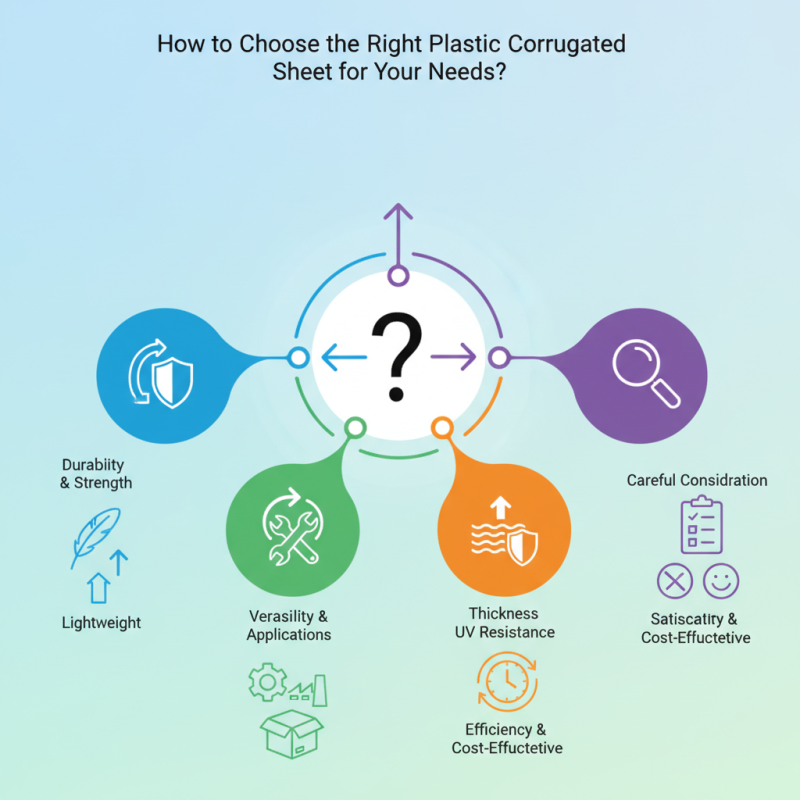
When it comes to selecting the right Plastic Corrugated Sheet, many factors come into play. These sheets are durable, lightweight, and versatile, making them suitable for various applications. However, choosing the wrong type can lead to complications.
Understanding your specific needs is crucial. Different applications require different properties from a Plastic Corrugated Sheet. Some may need greater strength, while others prioritize flexibility. The material’s thickness and UV resistance also play significant roles.
Many users overlook these aspects during selection. This can lead to unsatisfactory outcomes, wasting both time and resources. Therefore, careful consideration is necessary to ensure the chosen sheet aligns with your project requirements. Making an informed choice will lead to better performance and efficiency in your application.
Understanding Plastic Corrugated Sheets and Their Applications
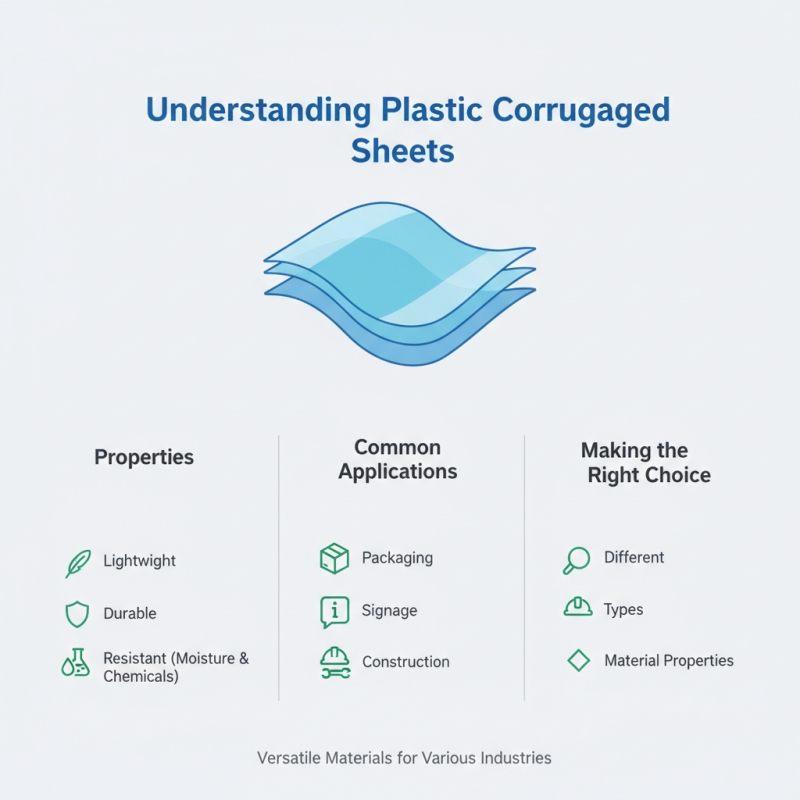
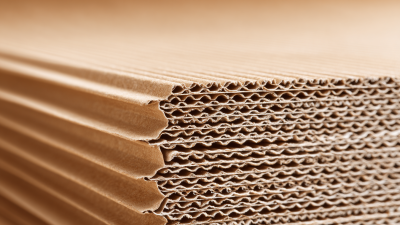
Plastic corrugated sheets are versatile materials widely used in various industries. They are lightweight, durable, and resistant to moisture and chemicals. Common applications include packaging, signage, and construction. Understanding the different types and properties of these sheets can help you make the right choice for your needs.
Tips: Consider the sheet thickness when selecting. Thicker sheets are more robust, making them suitable for heavy-duty applications. Remember, the right thickness can affect both strength and flexibility.
Furthermore, consider the environment. Some sheets are UV stabilized, making them ideal for outdoor use. If your project involves exposure to direct sunlight, this feature can enhance longevity. Not every material can withstand weather conditions, so choose wisely.
Reflect on the specific requirements of your project. Some applications may require specific colors or printability. Evaluate whether the sheet meets your aesthetic or branding needs. It's essential to balance functionality with visual appeal.
Key Factors to Consider When Selecting Plastic Corrugated Sheets
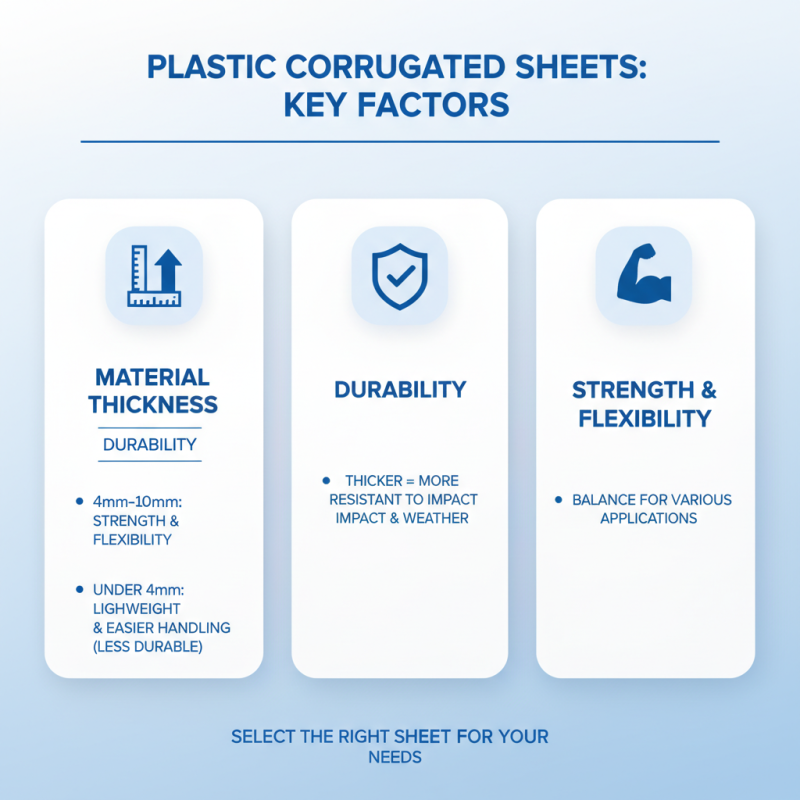
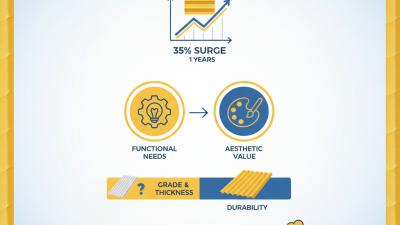
Choosing the right plastic corrugated sheet involves understanding several key factors. One important aspect is the material's thickness. Thicker sheets generally provide better durability. Reports suggest that sheets ranging from 4mm to 10mm offer a balance of strength and flexibility. Lightweight options, like those under 4mm, tend to be more susceptible to damage but are easier to handle.
Another crucial factor is the sheet's resistance to various environmental conditions. Exposure to UV light can degrade many plastics over time. According to industry findings, sheets specifically designed to resist UV radiation significantly outperform standard sheets in longevity. Ensure that your choice aligns with the specific environment where it will be used, whether indoors or outdoors.
Weight and ease of handling are also significant. While heavier sheets may offer enhanced durability, they can be cumbersome during transportation. Evaluating the intended application helps inform this decision. Some experts recommend weighing the importance of strength against the practicality of day-to-day usage. There’s no one-size-fits-all solution, and it requires thought to find the ideal fit.
Comparing Different Types of Plastic Corrugated Sheets Available
When choosing the right plastic corrugated sheets, understanding the available types is essential. The most common types include polypropylene (PP) and polyethylene (PE) sheets. PP sheets are known for their excellent chemical resistance and durability. They are widely used in construction and packaging. In contrast, PE sheets offer flexibility and are less rigid, making them ideal for temporary signage and lightweight applications.
According to a recent industry report by Smithers Pira, the global market for corrugated plastic sheets is expected to grow at a CAGR of 4.1% from 2021 to 2026. This growth is fueled by the increasing demand for eco-friendly and recyclable materials in various sectors. Choosing the right sheet can impact project outcomes significantly, as the wrong type may lead to increased costs or failures.
Tips: Always assess the intended application before selecting a sheet. Consider the environment it will be used in. If exposed to chemicals or harsh weather, PP sheets might be a better option. Additionally, check for UV stabilization to ensure longevity for outdoor use. Analyzing these aspects can save time and resources, ensuring an effective choice.
How to Choose the Right Plastic Corrugated Sheet for Your Needs? - Comparing Different Types of Plastic Corrugated Sheets Available
| Type |
Thickness (mm) |
Weight (kg/m2) |
Impact Resistance (J/m) |
Applications |
| Standard Corrugated |
3 - 5 |
0.5 - 1.0 |
20 - 30 |
Signs, packaging |
| Heavy-Duty |
6 - 10 |
1.0 - 2.0 |
30 - 50 |
Industrial use, shipping |
| Lightweight |
2 - 3 |
0.3 - 0.5 |
10 - 20 |
Temporary structures, displays |
| UV-Resistant |
4 - 6 |
0.8 - 1.5 |
25 - 40 |
Outdoor signage, vehicles |
| Custom-Printed |
3 - 5 |
0.5 - 1.0 |
15 - 25 |
Promotional materials, custom signage |
Measuring the Right Thickness and Size for Your Project Needs
Choosing the right thickness and size of plastic corrugated sheets is crucial for any project. The thickness of these sheets can significantly affect their durability and application. For instance, sheets ranging from 4mm to 6mm are often suitable for general signage and temporary structures. However, projects requiring more strength may benefit from thicknesses of 10mm or more. According to industry studies, thicker sheets are less prone to warping under stress, making them a better choice for long-term applications.
When measuring for a project, consider the usable dimensions of the sheet. Standard sizes typically include 4x8 feet or 4x10 feet. It's important to measure your intended area accurately. If a project requires precise fit, remember that cutting can introduce weaknesses. Be aware that irregular edges on sheets can lead to performance issues.
Consulting resources such as the Plastics Industry Association can guide thickness selection. Their research highlights that correct sizing minimizes waste and cost. However, it's essential to balance size with intended use. Oversizing can lead to excessive material costs, while undersizing may risk project integrity. Evaluating the specific needs of your project while considering long-term usage will yield the best results.
Evaluating Cost-Effectiveness and Supplier Options for Purchase
Choosing the right plastic corrugated sheet involves more than just material properties. Evaluating cost-effectiveness and supplier options significantly influences your decision. Start by understanding your budget. Prices can range widely based on thickness, quality, and supplier. Check if the cost aligns with the features you require.
Consider suppliers with a good reputation. A reliable supplier often offers better quality control and service. Look for customer reviews and ratings. These can give insight into their reliability. However, don’t solely rely on reviews; check their certifications too. A lack of transparency might indicate underlying issues.
Sometimes, the lowest price may not be the best deal. It’s worth reflecting on long-term use. A cheaper sheet could wear out faster, leading to higher replacement costs. Compare warranty options as well. An extended warranty often reflects the supplier's confidence in their product. This balance between initial cost and overall value is crucial for making an informed choice.
Cost-Effectiveness of Different Plastic Corrugated Sheets
This chart illustrates the cost per square meter of various plastic corrugated sheets suitable for different applications. Understanding these costs can help in selecting the right product based on budget and project requirements.