How to Choose the Best White Corrugated Sign Board for Your Needs?
Choosing the right materials for signage is crucial. According to Sarah Thompson, a leading expert in the sign-making industry, "The choice of sign board can make or break your visibility." One popular option is the White Corrugated Sign Board. It is lightweight yet sturdy, making it suitable for various applications.
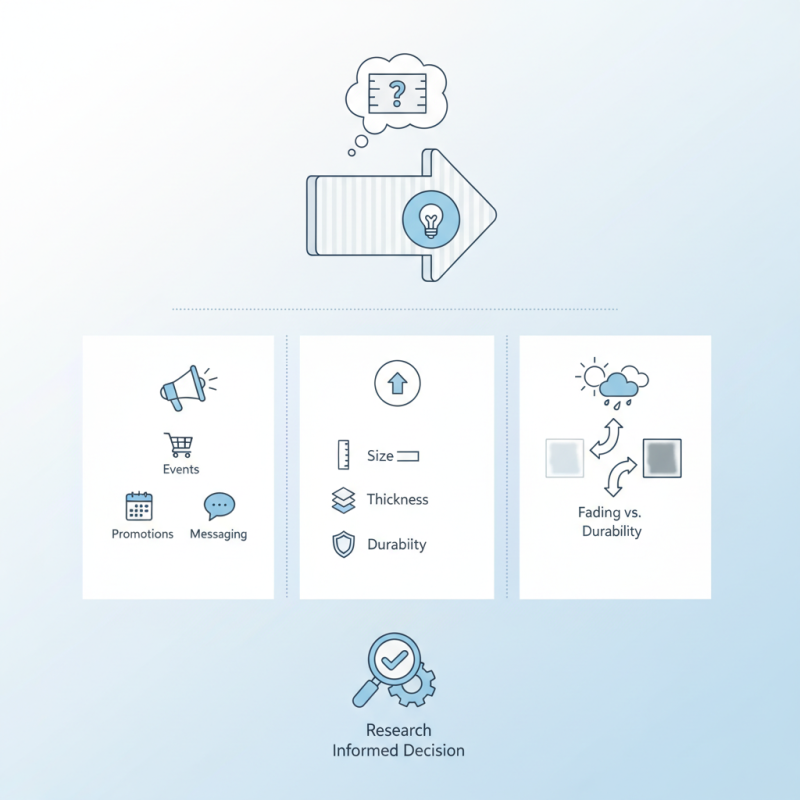
When considering a White Corrugated Sign Board, think about your specific needs. This board can be used for events, promotions, and more. Understanding what type of message you want to convey will help you make an informed decision. Details like size, thickness, and durability matter.
However, not all White Corrugated Sign Boards are created equal. Some may fade quickly in sunlight, while others might not hold up in rain. Research is essential. Choosing wisely can impact your brand's image. In the end, the right choice enhances your communication and visibility.
Understanding the Properties of White Corrugated Sign Boards
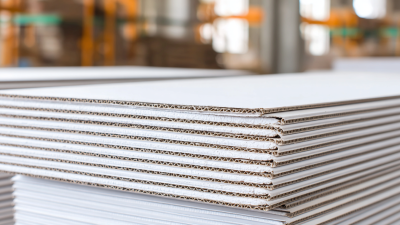
White corrugated sign boards are popular for their lightweight and durable characteristics. They are made from a fluted, paper-based material sandwiched between two liners. This design gives them strength while maintaining flexibility. According to a report by Smithers Pira, the global market for corrugated boards is projected to reach $280 billion by 2024. This growth indicates a rising demand for versatile and cost-effective sign solutions.
The properties of white corrugated sign boards make them suitable for a variety of applications. They are water-resistant and can endure outdoor conditions. A study from the International Journal of Environmental Research highlights that using corrugated materials can reduce waste by 25% compared to traditional materials. However, perceptions of these boards sometimes lean toward being too flimsy for long-term use. Users may face challenges with durability in extreme weather or heavy-duty applications, which doesn’t align with expectations in every scenario.
Color and print quality are also vital considerations. White surfaces allow for clear graphics and vibrant colors. Signage experts recommend testing materials with different printing techniques. This ensures that the chosen sign board will meet visibility and branding needs effectively. It’s crucial to reflect on specific requirements. What works in one situation may not in another, prompting users to weigh both benefits and potential limitations.
Evaluating Your Specific Needs for Signage
Evaluating your specific needs for signage is crucial. Consider the purpose of your signboard. Are you promoting a business, directing traffic, or announcing an event? Research shows that 76% of people entering a store recall the signage. This highlights the importance of clear and effective communication.
Think about the location where the sign will be displayed. Will it be indoors or outdoors? Each environment requires different durability levels. A recent industry report found that outdoor signs can last about 5-7 years under optimal conditions. Proper selection can save costs in the long run. If exposed to harsh weather, consider materials that resist fading and damage.
Visual appeal matters as well. Simple, bold designs tend to attract attention more effectively. A study indicates that 60% of consumers prefer signs with an attractive design. Assess your target audience. Their preferences greatly influence how you'll design your board. A mismatch can lead to wasted resources and effort. When choosing materials, think about the overall message you want to convey. Clear consideration can enhance the longevity and effectiveness of your signage.
How to Choose the Best White Corrugated Sign Board for Your Needs?
| Criteria |
Description |
Recommended Uses |
Durability |
| Material Quality |
Consider thickness and weather resistance. |
Outdoor advertising, event signage |
High durability under various conditions |
| Size Options |
Available in various dimensions to fit needs. |
Trade shows, real estate signs |
Varies by manufacturer |
| Print Quality |
Resolution and color consistency. |
Promotional signage, business signs |
Long-lasting print with UV resistance |
| Weight |
Lightweight for easy transportation and installation. |
Portable signage for events |
Generally lightweight |
| Price |
Cost-effective options available. |
Budget-friendly solutions for advertising |
Affordable |
Comparing Different Types of White Corrugated Sign Boards
When it comes to selecting white corrugated sign boards, understanding the types available can make a significant difference. There are primarily two types: single-wall and double-wall corrugated boards. Single-wall boards are lightweight and more cost-effective, ideal for short-term use. In contrast, double-wall boards provide added strength and durability, suitable for outdoor applications. A study by the American Plastics Council suggests that nearly 65% of businesses prefer double-wall boards for their longevity and resistance to environmental factors.
Additionally, varying thicknesses play a role in durability. The thickness typically ranges from 3mm to 7mm. Thicker boards offer better impact resistance and support for larger graphics. According to data from the International Sign Association, thicker signs can last up to 25% longer than their thinner counterparts in outdoor settings. However, thicker boards can also be cumbersome and costly, requiring a careful balance based on your specific needs.
It's worth reflecting on material sourcing as well. While many manufacturers claim eco-friendliness, they often overlook recycled content. Only about 30% of corrugated boards on the market incorporate recycled materials, according to a report by the Recycling Partnership. This disparity may affect long-term sustainability goals for your business. Understanding these nuances will help ensure you choose the right board for your intended purpose, without falling into the trap of pushing for the cheapest option.
Assessing Durability and Weather Resistance Factors
When choosing a white corrugated sign board, durability and weather resistance are crucial factors.
These boards often face harsh conditions like rain, sun, and wind. Selecting materials that withstand these elements can prolong the sign's life. Boards made from
high-density polyethylene or treated paper resist fading and damage better.
Testing for water resistance is vital. Look for boards that do not warp or degrade when exposed to moisture. UV protection is another essential quality. This prevents fading, ensuring your message remains clear over time. A sign that deteriorates quickly can lead to unreadable text and wasted effort.
Reflecting on durability means considering the sign's intended use. Will it be outdoors year-round? Is it temporary? These answers affect the material choice. It's worth noting that cheaper options may not always deliver the longevity you need. Investing in a sturdy, weather-resistant board now can save you from frequent replacements later.
Exploring Cost-Effective Options for Your Signage Solutions
When selecting white corrugated sign boards, a key aspect to consider is cost-effectiveness. According to industry reports, the average price range for these boards is between $3 to $5 per square foot. However, prices can vary based on material quality and production methods. Opting for high-volume orders often results in lower costs per board, which can significantly benefit businesses on a budget.
Many businesses overlook the durability of their signage. While cheaper options may save money upfront, they might not withstand outdoor conditions. Research suggests that a significant 30% of signage fails due to weather exposure. Choosing boards with UV coatings can enhance longevity and reduce replacement costs over time. Also, the return on investment for effective signage can be high, with an estimated 60% of customers influenced by a sign's visibility.
It’s essential to balance cost and quality. Some businesses might choose to sacrifice durability for a lower upfront price. This decision can lead to higher expenses later, as signs may require frequent replacement. Evaluating your specific needs and the environment in which signs will be used can help mitigate these risks, ensuring you make an informed choice.